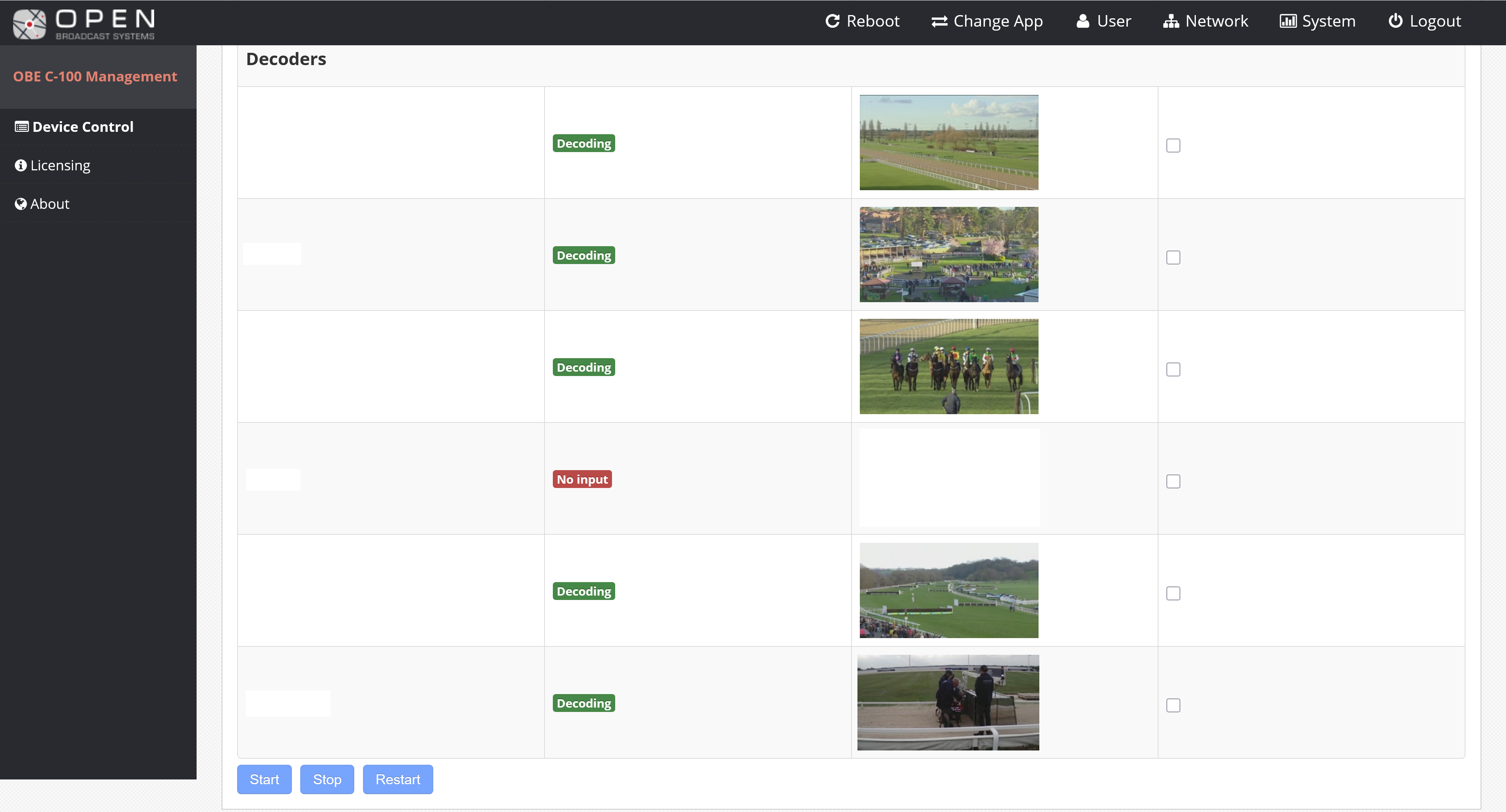
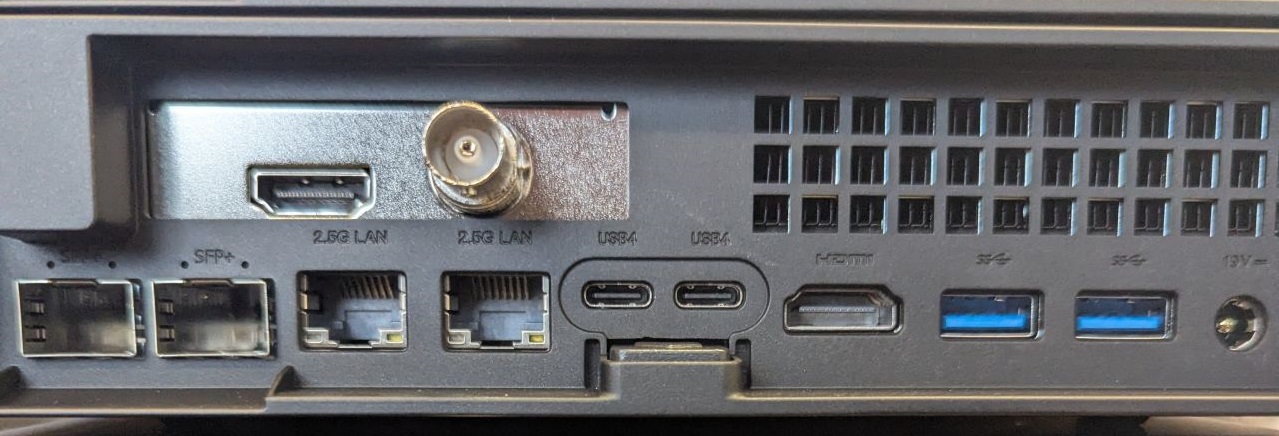
Recently we officially added HDMI output support to our decoders. For many years we thought that HDMI output from MPEG-TS/SRT was reserved for low-cost set top boxes and receivers. But recent customer requests have changed that – a 24/7 reliable decoder with HDR support, even at a higher cost compared to a consumer receiver, is something with significant demand.
What we’re offering
What are we offering that’s different? Unlike consumer grade decoders that use a consumer grade decoding chip and pipeline, we are offering our existing, reliable and battle-tested decoder pipeline with an HDMI output. We are also not using a PC desktop rendering engine which, as we have discussed in a previous blog post, has challenges in professional applications.
Let’s look at some unique features we can offer in the HDMI decoding space:
Professional video formats – Many of our clients want to decode professional video formats such as 10-bit 4:2:2. These types of video stream are not decodable on consumer grade HDMI decoder chips. A software-based solution does not have this limitation and so 10-bit 4:2:2 can be decoded without issue.
We can also do some unusual things such as subtitle rendering on 10-bit 4:2:2 video, which may be important for compliance monitoring.
HDR – HDR is one of the areas that proves challenging without a native HDMI output interface. When using SDI output with HDR flags, a large and expensive SDI to HDMI converter must be used (low-cost ones don’t support passing through HDR flags), adding more cabling and complexity. By having a native HDMI output we can output HDR flags directly to a television.
2022-7 hitless support – Consumer HDMI receivers are generally only single ported. In some monitoring applications, 2022-7 is useful to guarantee reliability
Full Pipeline Control
Uniquely, in these HDMI applications, we maintain full pipeline control of the video and HDMI stack. In addition to providing the benefits we described above, it also makes sure we can provide 24/7 reliability as we are not dependent on a consumer-grade HDMI interface, and have access to low-level features of the hardware such as the hardware clock (again, not available on consumer grade hardware).
After all, how many times have you had to restart a consumer receiver?
Full access to the device
It’s also important to note that unlike consumer receivers, we provide full root access to the device, to allow for monitoring, remote control and other analytics. It also means we can provide regular security updates, not something always possible with low-cost consumer reasons.
Applications of HDMI monitoring
In home monitoring – remote and distributed workflows
The first use-case for our HDMI decoders is in-home monitoring in remote and distributed workflows. Often engineers or production staff may be working from home and need to access 10-bit 4:2:2 feeds (potentially with HDR) and view them at home.
Several large sports streaming services are using our decoders as part of their monitoring chains.
Our decoders are ideal for this as the chances are it won’t be possible to put a 1RU decoder in a home!
Linear Channel Delivery
There are also specialist applications that require B2B delivery of linear channels or other content to destinations such as hotels. A 24/7 reliable device is ideal for this and it can also provide additional telemetry or other information, as we provide OS level access.
Learn more about our low-latency encoders and decoders.